

Contents
- Understanding the bike rental market in France
- Which bike should you pick? E-bike, hybrid, or MTB?
- The paperwork part: deposit and insurance
- Where to ride? The best playgrounds
- Plan your route: tools and road rules
- Top 3 regions in France to ride
- FAQ
Renting a bike in France is one of the best ways to explore the country at your own pace. France is now seen as the world’s second-biggest cycling tourism destination. Forget the Tour de France image reserved for athletes. The country is a fantastic playground for slow tourism. It’s about taking your time, actually smelling the countryside, and stopping whenever you feel like it.
That said, if you’re a first-timer or visiting from abroad, the logistics can feel messy. You type “rent a bike in France” and you quickly end up in a jungle of random sites. This guide is here to make it simple. Family trip, couple getaway, solo ride: here’s what you need to know to enjoy France on two wheels.
This guide is based on common practices among French rental shops, traveler feedback, and price ranges typically seen in tourist areas. Any rules mentioned follow the French Code de la route and official sources when it’s useful.
What are you going to eat on the way?
Cycling makes you hungry. Do you know which regional dishes are actually worth the stop? Here’s my subjective but honest guide.
Understanding the bike rental market in France
Before you book anything, it helps to know France basically has two very different “bike worlds”. What you rent depends entirely on your plan.
City rentals vs tourist rentals
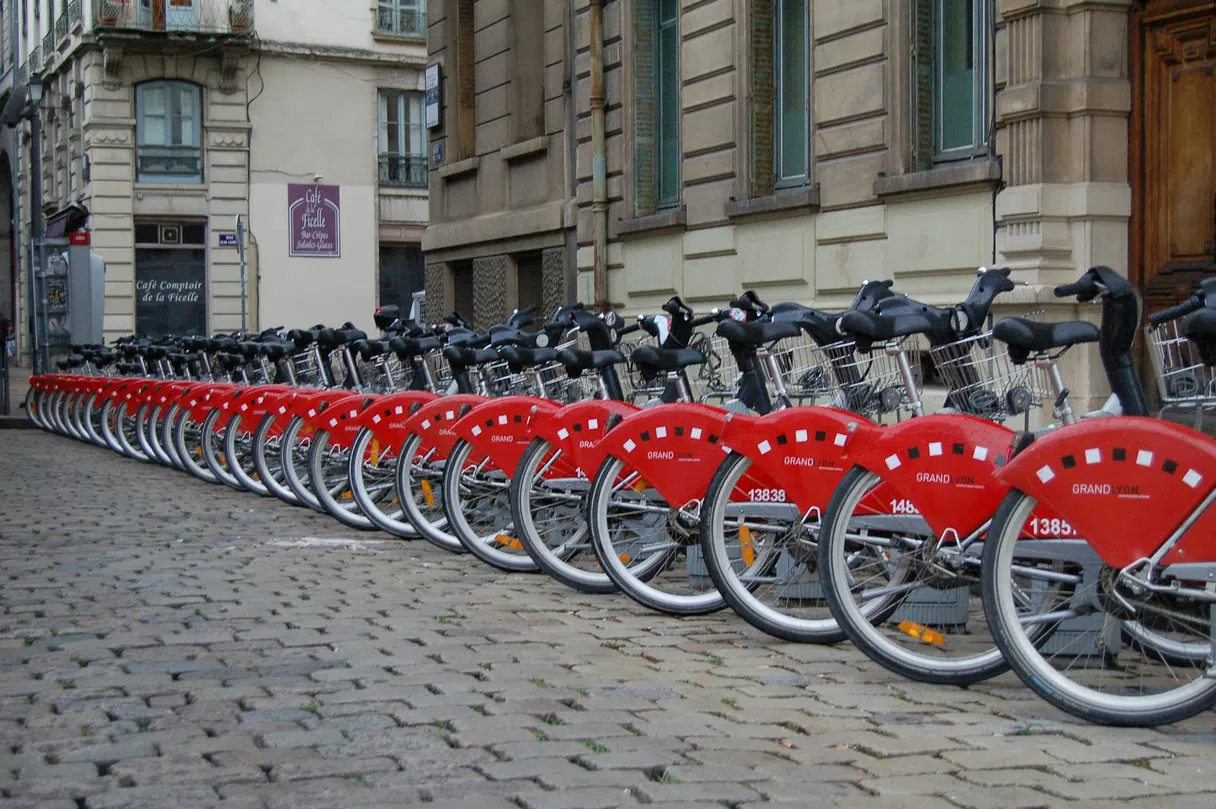
Bike share: for tiny hops
In big cities (Paris, Lyon, Bordeaux, Strasbourg), systems like Vélib’, Vélo’v, or free-floating options (Lime, Dott) are everywhere.- Best for: getting from a museum to a restaurant, heading back to your place after a drink, or doing a quick sprint with your bravest friends (I wouldn’t recommend that last one).
- The catch: these aren’t “leisure bikes”. They’re heavy, the saddle gets uncomfortable after 30 minutes, and per-minute pricing can get expensive fast over half a day.
Professional rental shop: for the actual ride
This is the go-to option for tourist cycling. These shops, often near train stations or tourist offices, aren’t just renting an object, they’re providing a service.- Best for: a full day of exploring or a multi-day trip (itinerant cycling).
- The plus: they fit the bike to your size, provide accessories (helmet, lock, puncture spray), and often offer breakdown support.
Useful rental sites and platforms
- Private rentals (peer-to-peer) Locavelow
- Bike share (north of France, short rides): Donkey Republic
- Rentals by city / theme: Lokki
The “One-Way” option
Not super well-known, but honestly brilliant for point-to-point routes (like The Loire by Bike ): some rental networks let you pick up in point A (e.g. Orléans) and drop off in point B (e.g. Tours).
Keep it simple
Which bike should you pick? E-bike, hybrid, or MTB?
Your bike choice is what makes the ride fun… or painful. Don’t underestimate French terrain.
Hybrid bike (VTC) : the tourism standard. Versatile tires, comfortable posture. Perfect for greenways and canal towpaths.
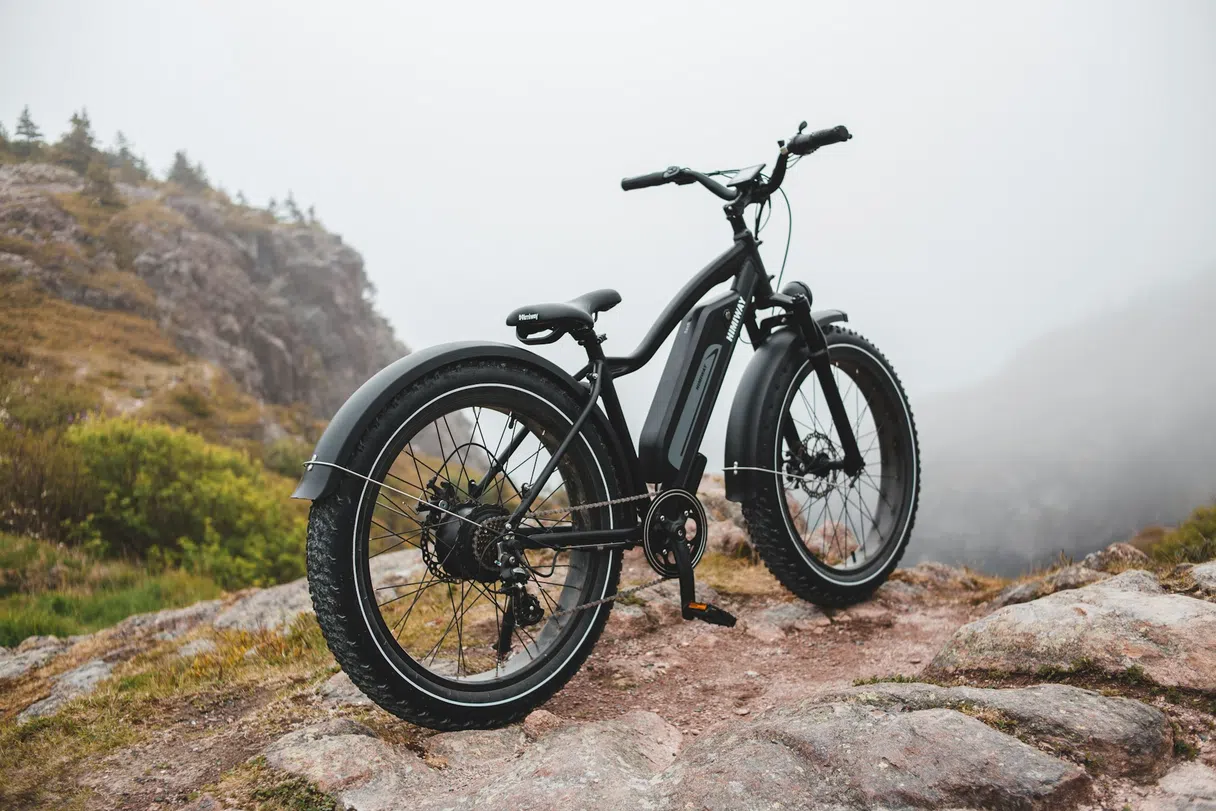
E-bike (VAE) : the current star. It smooths out climbs and keeps a group together (very handy if one person is sporty and the other… not so much). Almost a must in Provence, hilly Alsace, or the Alps.
- Cargo bike or trailer: the family solution with young kids. They get the view safely while the parents pedal. It’s also useful if you want to travel with soft bags and extra gear.
Bike rental price comparison in France (2026)
Prices below are averages seen in tourist areas. They usually include a lock and a helmet.
| Type of Bike | Half Day | Full Day | 1 Week | Deposit (Average) |
|---|---|---|---|---|
| Hybrid (Adult) | 12€ - 15€ | 18€ - 25€ | 90€ - 110€ | 200€ - 300€ |
| MTB (Sport) | 18€ - 25€ | 25€ - 35€ | 120€ - 150€ | 300€ - 500€ |
| E-bike (Electric) | 25€ - 35€ | 40€ - 55€ | 200€ - 280€ | 800€ - 1500€ |
| Kids bike | 8€ - 10€ | 12€ - 15€ | 60€ - 80€ | 100€ |
Real-world budget example (to picture it)
A simple estimate to avoid surprises (excluding the deposit, which isn’t a cost if everything goes fine):
- 2 days on a hybrid : ~36€ à 50€
- Theft/damage insurance (2 days) : ~4€ à 10€
- Accessories (if billed) : sometimes +2€ à 8€ / day (child seat, panniers, phone mount, etc.)
Last checklist before you roll out
- Check the fit (saddle height, reach) and do a 2-minute test ride.
- Test the brakes, gears, and tire pressure.
- For an E-bike : note the stated range, check battery level, and ask for the charger.
- Ask for a proper lock (ideally a U-lock) and make sure you know how to lock the frame and wheel.
- Take photos of the bike (condition, any marks) and keep the contract + the assistance number.
The paperwork part: deposit and insurance
This is usually what stresses out international travelers. Here’s how to avoid the classic traps.
Everything about the deposit
In France, no shop will let you leave with a bike without some kind of guarantee.
- Credit vs debit cards: most shops do a “pre-authorisation” (PLBS). The amount isn’t charged, but it’s blocked against your card limit.
- Watch out with E-bikes: if you rent several electric bikes for a group, the deposit can easily go over 1000€. Make sure you have enough available limit before you walk into the shop.
- ID: passport or original ID card is almost always required (no photocopies).
Watch out with E-bikes
Should you take theft/damage insurance?
What if your bike gets stolen while you’re buying a baguette?
My take
Where to ride? The best playgrounds
You probably know France from the Tour de France, but I’m guessing you’re not here to climb the nastiest mountain passes. Here, I’m pointing you to the gentler, more tourist-friendly routes to actually enjoy the country. France has invested heavily in cycling infrastructure to promote heritage discovery. It’s a great country for biking. Here’s how to pick the right terrain and recognize when you’re on a good route.
Greenways: family paradise
“Voies Vertes” are safe routes reserved for non-motorized traffic (walkers, bikes, rollers, riders on horseback). They’re often built on old rail lines or along canals. Flat, calm, and car-free.
- Why pick them? Zero-stress option for a first ride or a day out with kids.
Three legendary routes to get started
If you ask me, these 3 regions offer some of the best bike routes in France.
- The Loire : UNESCO-listed. You cycle from château to château (Chambord, Chenonceau). Flat terrain, very easy.
- La Vélodyssée (Atlantic Coast): around 1300 km of cycle paths facing the ocean, from Brittany down to the Basque Country. Great if you want to mix cycling and swimming.
- La ViaRhôna: from Lake Geneva to the Mediterranean. Varied landscapes, between alpine scenery and lavender fields.
The “Accueil Vélo” label
For your stops, look for the green “Accueil Vélo” logo. This national label means the accommodation (hotel, campsite, gîte) or tourist site is within 5km of a route and offers bike-friendly basics: secure overnight storage, a repair kit, and a plug to charge your E-bike.
Plan your route: tools and road rules
You’ve got the bike. Now you just need to ride legally and stay relaxed.
Must-have apps (GPS and services)
Forget the paper map flying away in the wind. Your phone is your best co-pilot.
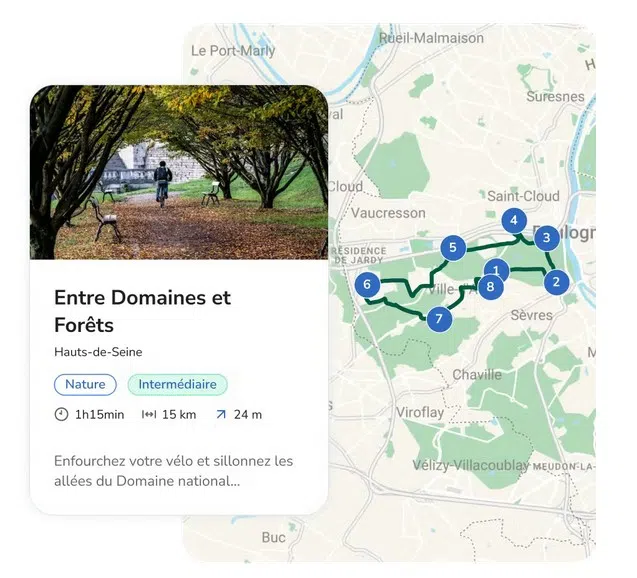
- Geovelo: basically the French “Waze for bikes”. It calculates the safest route, favoring cycle lanes over big roads.
- App: Geovelo (Google Play)
- Official site: Geovelo
- Komoot: perfect for planning countryside rides and MTB routes.
- SNCF Connect: if you need to take the train with your bike. Good to know: bikes travel free on most TER (regional trains) but require a paid reservation (10€) on TGV.
- Official page: Bikes on SNCF trains
Planning to travel by train?
Follow our complete guide to train travel in France!
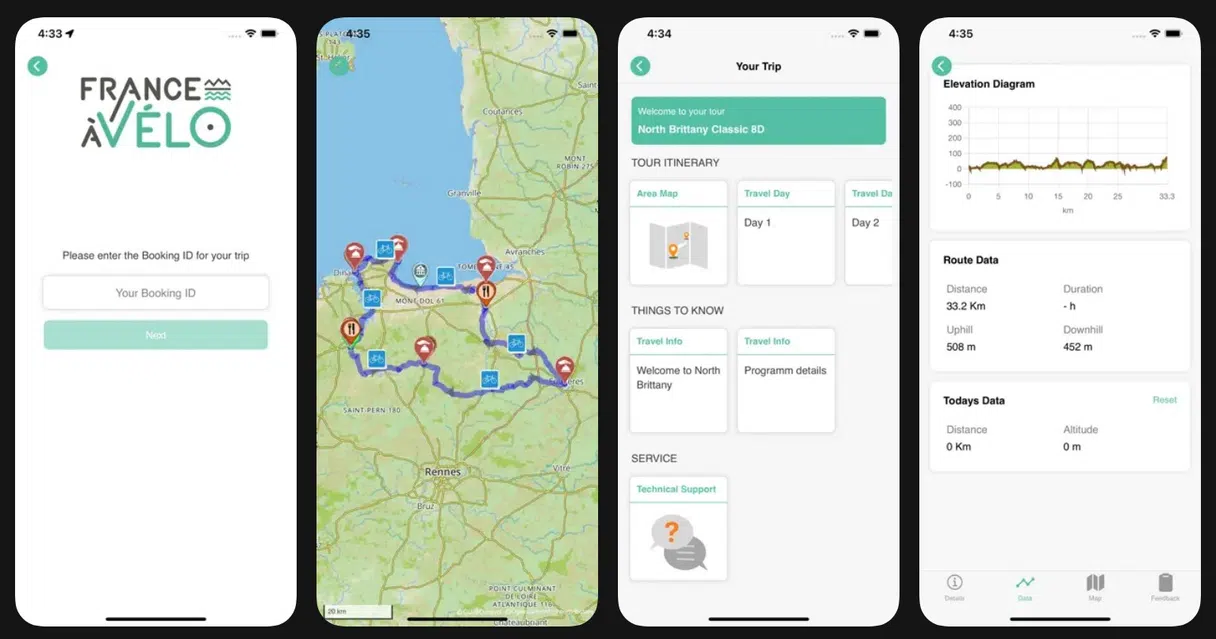
Cycling trips with offline maps:
iOS : France à Vélo
Android : France à Vélo
Stay connected anywhere in France
All these apps use data. To avoid surprise fees and keep GPS working even in the middle of nowhere, an eSIM is the simplest option.
Road rules: French specifics
French police do fine cyclists, especially in cities and tourist areas.
No headphones, period
- Helmet: mandatory for under-12s. If you’re riding as a family, don’t forget it, or the shop may refuse to rent to you.
- Alcohol: the restaurant owner offers you a mysterious digestif at lunch, promising “it helps digestion”? Careful. The limit is 0,5g/L of blood, like for cars. Above that, you risk a fine and being banned from continuing your ride.
- Required equipment: to check what’s mandatory (lights, bell, vest, etc.), here’s the official recap: Mandatory bike equipment (Service-Public)
Follow these tips, and renting a bike in France goes from a stressful logistics step to a genuinely great travel memory. France is beautiful. It’s even better from the handlebars.
Top 3 regions in France to ride
France has an incredible variety of landscapes. So you don’t spread yourself too thin, here are my three go-to regions for a first slow-tourism experience that actually works (not too slow though, you still have to pedal!).
1. The Loire Valley: the royal route for families
This is THE bike region in France. The Loire à Vélo route is world-famous, and for good reason: it’s well signposted and mostly flat.
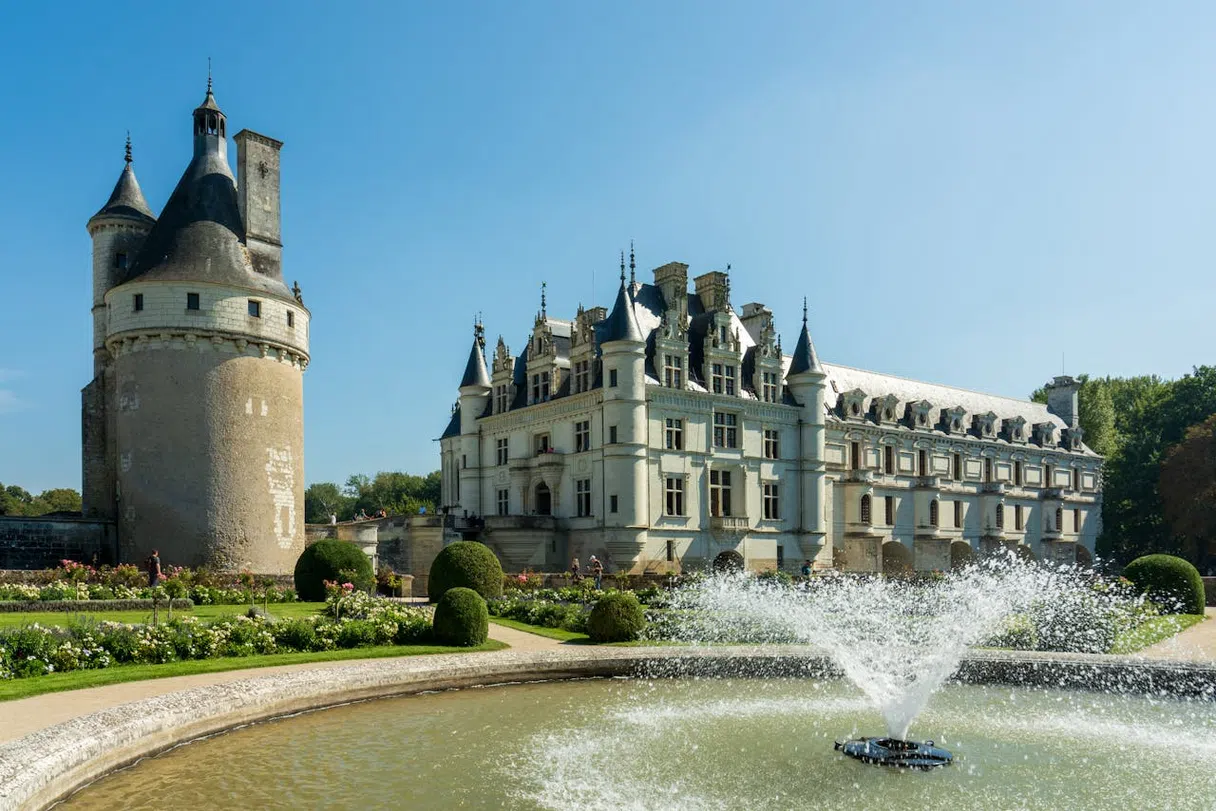
- The experience: you ride along the riverbanks, next to the wild Loire, with majestic stops at châteaux like Chambord, Chenonceau, or Amboise.
- The terrain: very easy. Lots of paved greenways or smooth hard-packed dirt paths.
- Best bike: a classic hybrid is more than enough.
- Who it’s for: families, beginners, and history lovers.
Your adventure is waiting!
Discover the Loire Valley with a bike itinerary made for everyone. Ride on safe cycle paths through a truly magical region.
2. The Atlantic Coast (Nouvelle-Aquitaine): ocean vibes
From La Rochelle down to the Basque Country, La Vélodyssée is a 100% nature experience. It’s perfect if you want to mix physical effort with swimming breaks.
- The experience: you ride in the shade of the huge pine forests in Les Landes, with the ocean as background noise. The air is salty, and the paths are safe, far from cars.
- The terrain: flat for most of the route (Landes/Gironde), then more rolling as you approach the Basque Country (Biarritz).
- Best bike: a hybrid, or an MTB if you want to enjoy sandy side trails.
- Who it’s for: nature lovers, surfers, and anyone chasing a real disconnect.
3. Provence and the Luberon: southern charm (with assistance!)
Different vibe here: you ride between lavender fields, vineyards, and perched stone villages (Gordes, Roussillon).
- The experience: this is the classic French postcard. The pace is slow, you stop for a local market or an olive oil tasting.
- The terrain: hilly, sometimes properly steep. And summer heat hits hard.
- Best bike: an E-bike (VAE) is basically essential here if you want to enjoy the scenery without suffering on climbs in the sun.
- Who it’s for: couples, food lovers, and photographers.
Don’t try to take shortcuts
FAQ
What if I get a flat tire?
It depends on your type of rental.
- Bike share (Vélib’, Lime): If you’re in a city, lock the bike at the nearest station (report the issue in the app if you can) and grab another one.
- Tourist rental (shop): Most shops provide a repair kit (puncture spray) or offer phone assistance. Call the number on your contract. If you’re going for several days, always ask for a spare inner tube before you leave.
Can you ride on the road?
Yes. A bike is considered a vehicle and belongs on the road. It’s actually the default option if there’s no dedicated lane. Warning: it’s strictly forbidden to ride on sidewalks (except for children under 8). On the other hand, if a cycle lane or a greenway is available, it’s strongly recommended (and sometimes mandatory depending on whether the sign is square or round) to use it for your safety.
Do you need a license to ride a bike?
No. You don’t need any license to ride a regular bike or an E-bike (VAE) limited to 25 km/h. But you still follow the French Code de la route. Red lights, stop signs, one-way streets (unless it says “Sauf Vélos”). If you do something serious, police can fine you.
Is it common to get around by bike in France?
Yes, it’s booming. In cities, “vélotaf” (commuting by bike) is super common in Paris, Strasbourg, or Bordeaux. In the countryside, drivers are used to seeing cycle tourists, especially in popular regions like the Loire or Brittany. You won’t be alone on the road.
What if I fall or get injured?
In a medical emergency, call 112 (European number) or 15 (SAMU). If you’re hurt, don’t try to move the bike if that makes the pain worse. Before you leave, check if your travel insurance or your bank card covers leisure accidents. If other people are involved, fill out a “constat amiable” like you would after a car incident.
What safety distance should cars keep?
French road rules are pretty strict to protect cyclists. To overtake you, a driver must leave:
- 1 meter in town.
- 1,50 meter outside town (country roads). If a car can’t respect that distance (road too narrow), it’s not allowed to pass and must wait behind you.
Do I need an international credit card for the deposit?
Often yes, especially in tourist areas. Shops prefer a credit card (higher limit, easier imprint). If you don’t have one, ask before you come if an alternative exists (cash deposit, bank transfer, or a reduced deposit with insurance).
Can I rent a bike with a child seat or a trailer?
Yes. Most tourist rental shops offer child seats, trailers, or cargo bikes. Book early during holiday periods, because this gear goes fast, especially on popular routes.
How does the “One-Way” option work, and are there extra fees?
When it’s available, you pick up the bike at point A and drop it at point B (often within the same rental network). There can be an extra fee (logistics/returning the bike). The amount varies, so ask for the exact price before you book.
Want to visit one of these regions?
Tell us in a few lines what you want, your budget, and your dates—and we’ll create a custom Provence weekend, tailored to your pace.


